

Real estate agent in Vruchtenbuurt
The Vruchtenbuurt owes its name to the streets that run through it. The Appelstraat, the Orange Street, the Perenstraat, the Apricot Street — almost every street name refers to a fruit. The neighborhood was built between 1928 and 1940 and still has that original character: quiet streets, green front gardens, small squares and an atmosphere that is halfway between village and city.
We guide buyers and sellers in the Vruchtenbuurt with concrete market knowledge and an eye for what makes a home in this segment special. Whether it's a thirties terraced house with a garden or a bright apartment above the Vlierboomstraat — we know what's on offer and the people who are actively looking here.
Get in touch for an informal conversation — at your home or at our office.
Get in touch

Selling your home in the Vruchtenbuurt
De Vruchtenbuurt draws a group of buyers that knows what they are looking for: peace, space, green surroundings and a neighborhood that lives without feeling “busy”. Young families who consciously opt for a child-friendly environment, people who, after years of renting, are ready for a characterful home for sale, and people who know The Hague well and don't want another neighborhood anymore. This targeted demand makes the Vruchtenbuurt a stable sales market.
Construction details count here. A house with original wooden frames, a well-maintained front garden or a spacious kitchen with a view to the garden immediately appeals to this buyer group. We therefore always start a sales process with an analysis of your specific home — which characteristics are distinctive, which buyer group fits, and how best to reach them. Through our network, we actively reach out to buyers who are not exclusively searching through Funda. In a neighborhood with a limited supply and constant demand, that makes a difference.
Do you want to know how we market your home? Discover our sales strategy.
Gezinnen kijken naar de indeling, de buitenruimte en de buurt zelf, en dat vraagt om plattegronden en beelden die dat laten zien. Lees hoe wij uw woning verkopen.

Living in the Vruchtenbuurt
De Vruchtenbuurt is a neighborhood that bears its reputation as one of the most family-friendly neighborhoods in The Hague for a reason. The streets are quiet, the schools are close by and the atmosphere is one of people who consciously chose to stay here.
Child-friendly neighborhood
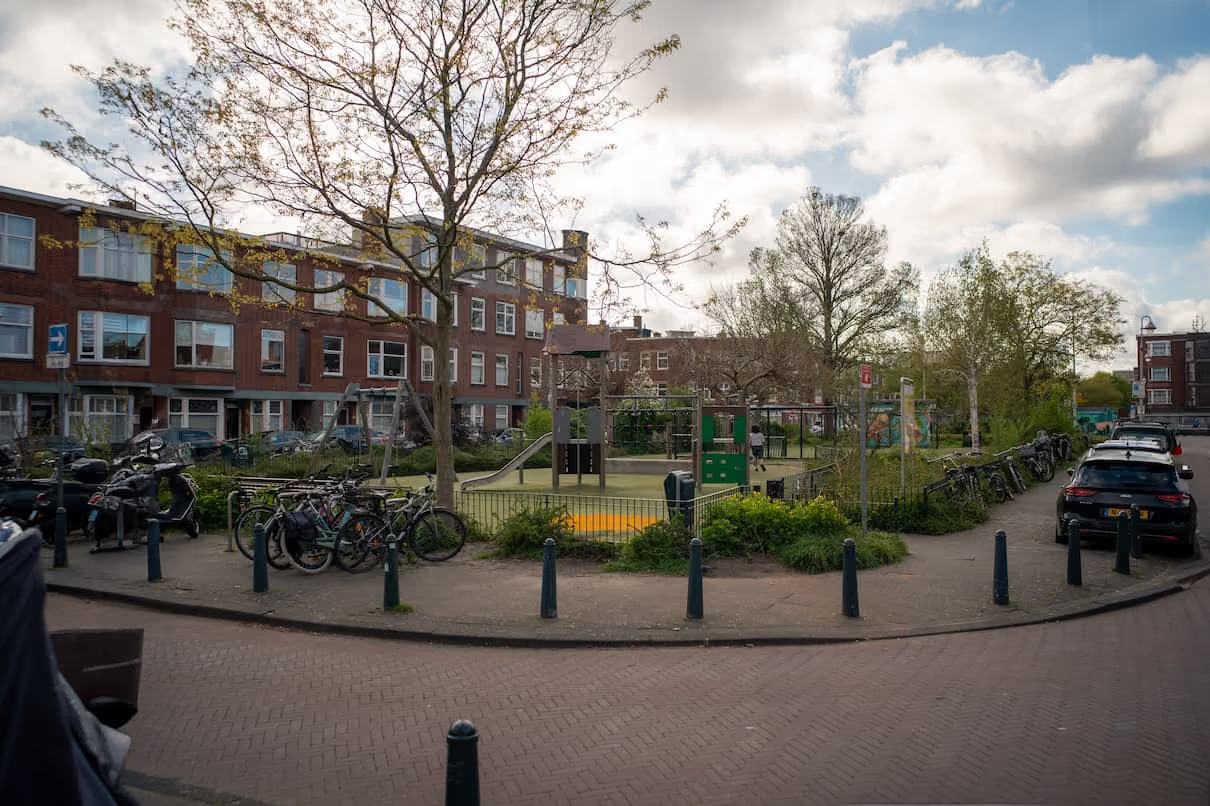
De Vruchtenbuurt was originally a family neighborhood — and it shows. On average, schools are less than 400 meters from the front door, the streets are quiet and the Abrikozenstraat has a renewed playground in the middle of a green, courtyard-like environment. This is a neighborhood where kids play outside and parents know their neighbors.
Nature and greenery
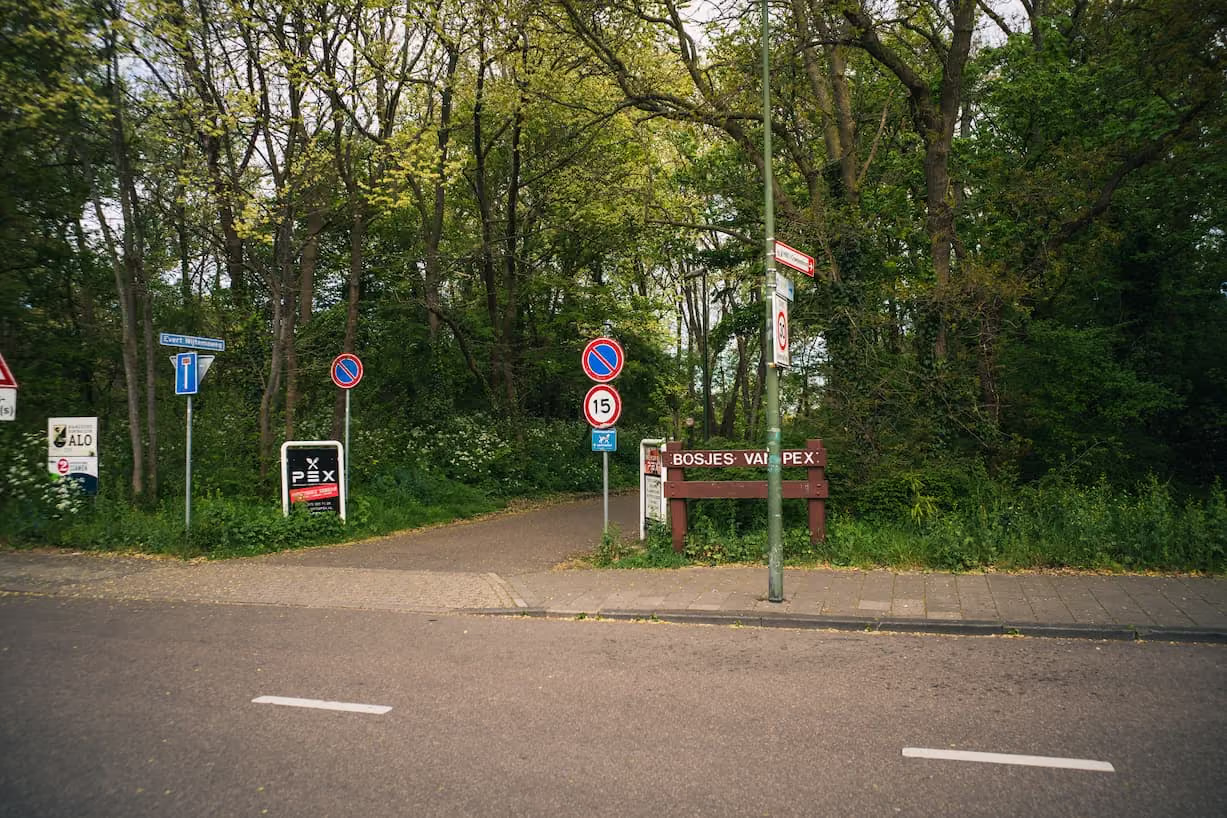
Cross the Laan van Meerdervoort and you are in the Bosjes van Pex: a dune park of almost 24 hectares on an old sandy landscape, bordering the Natura 2000 area of Westduinpark & Wapendal. With a playground, Restaurant Pex, a riding school and several sports clubs — and in the adjacent Wapendal, the tawny owl, the nightingale and rare butterflies.
Vlierboomstraat
Together, the Vlierboomstraat and the Appelstraat form one of the oldest shopping streets in The Hague: around seventy independent entrepreneurs, specialty stores, a supermarket and restaurants. Lunchroom Op de hoek is the fixed anchor point — open seven days, with a terrace in summer. Free parking during the day also makes the street easily accessible to surrounding neighborhoods.
Spatial residential streets
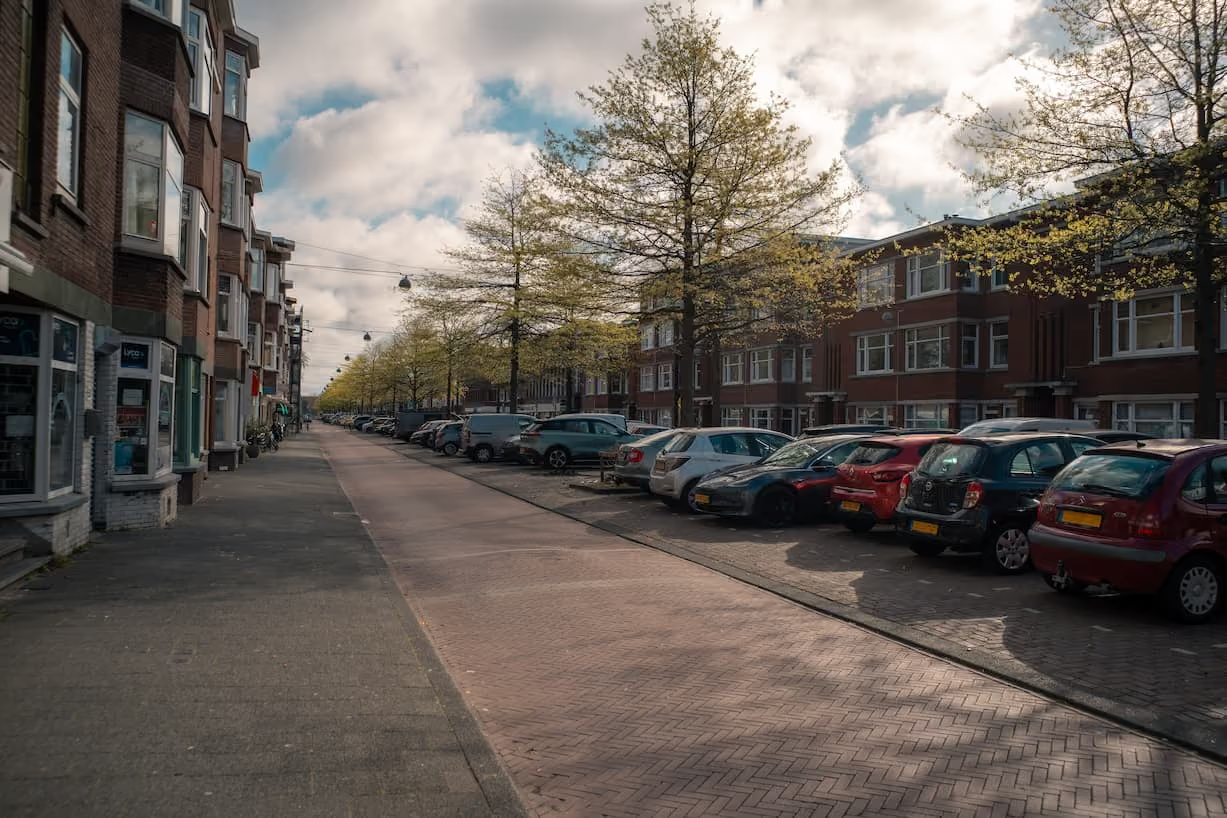
The residential streets in the Vruchtenbuurt are wide, green and quiet. The Pomonalaan — renamed Van Pruimenlaan after Pomona, the Roman goddess of tree fruit, in 1932 at the request of residents — is a good example. Scattered throughout the neighborhood are also smaller courtyards such as the Limoenhof and Pomona Square with the distinctive 1936 Jerusalem Church: details you'll discover as you walk.

Buying a home
in the Vruchtenbuurt
De Vruchtenbuurt offers a varied range: from compact portico apartments for starters to spacious terraced houses with gardens for families looking for space. Most of the houses date from the period 1928—1940 and require attention to the architectural condition when purchasing — foundation, roof sealing and the condition of the facades are issues that we, as buying agents, include as standard.
The market in the Vruchtenbuurt is active. Properties that are priced correctly and are well presented usually find a buyer quickly. As a buying agent, we prepare you for that market: with a clear financial framework, rapid architectural inspection and a bid strategy that fits the segment. We also have access to properties that are not yet publicly offered.
Are you looking for a home in the Bomenbuurt? Contact us for an introductory meeting.
We will search with you in a targeted manner. Thanks to our deep roots in the neighborhood, we are often the first to know which homes will be available, even before they appear on the major platforms.
We know the actual market value of each street. We negotiate for the best price and check all legal and architectural documents for a worry-free purchase.


What customers say about us
How much is your home in the Vruchtenbuurt worth?
Are you curious about the current value of your home?
We analyse recent sales in your street, look at market developments in the Vruchtenbuurt and discuss the options with you — without obligations and at your home at a time that suits you.
Request a free and non-binding valuation. We will contact you within one business day.

Frequently asked questions about the Vruchtenbuurt
Why is the neighborhood called the Vruchtenbuurt?
The name refers to the fruit names that almost all streets in the neighborhood bear: the Appelstraat, the Orange Street, the Apricot Street, the Pear Street and dozens of others. The neighborhood was built in the period 1928—1940 and got its name after this thoughtful street name theme. A special feature: in 1932, at the request of residents, the Plum Avenue and the Plum Square were renamed Pomona Avenue and Pomona Square — after Pomona, the Roman goddess of tree fruits.
Is the Vruchtenbuurt suitable for families with young children?
Sure. For decades, De Vruchtenbuurt has been seen as one of the most child-friendly neighborhoods in The Hague. The streets are quiet, the schools are on average less than 400 meters from the front door, and the neighborhood has playgrounds — including the renewed playground on Abrikozenstraat. The proximity to the Bosjes van Pex, with a playground, a riding school and spacious greenery, makes the neighborhood extra attractive for families.
What types of housing can I find in the Vruchtenbuurt?
De Vruchtenbuurt has a varied range of housing: terraced houses (whether or not divided into upstairs and downstairs houses), detached houses and the typical Hague porch apartments from the 1930s. More than eighty percent of the homes are owner-occupied.
How can the Vruchtenbuurt be reached by public transport?
The Vruchtenbuurt is easily accessible by tram and bus. Stops can be found in and directly around the neighborhood, with connections to the center of The Hague and Central Station. The city center can be reached within ten to fifteen minutes by bike.
What makes the Vruchtenbuurt different from neighboring neighborhoods such as the Bomenbuurt or the Valkenboskwartier?
De Vruchtenbuurt has a distinct village character thanks to the combination of quiet residential streets, small courtyards, a lively private shopping street and a strong neighborhood identity. Where the Bomenbuurt is greener and quieter, the Vruchtenbuurt with the Vlierboomstraat has its own heart. The Valkenboskwartier is more centrally located; the Vruchtenbuurt offers more peace and space. Buyers consciously choose this — and once you live there, you rarely leave.

More neighborhoods to explore in The Hague
The Vruchtenbuurt is one of the neighborhoods in The Hague where we are active. Are you considering other neighborhoods? See the pages below for neighboring and/or similar neighborhoods.


